Empowering Survivorship: A Comprehensive Guide to Cancer Care and Community Support
Navigating the oncology landscape can feel like wandering through a dense forest where every pathway leads to unknown territories. Each turn presents new challenges, especially for those facing a diagnosis of carcinoma or any form of cancer. But remember, you're not lost – you are part of a vast network of individuals, healthcare providers, and caregivers united by a shared mission. It's about more than just disease; it's about thriving in the face of adversity, embracing survivorship, and cultivating community resilience. As we delve into this intricate world of tumor care and community support, let's explore how finding your way can transform a daunting journey into an empowering experience.
Imagine standing at a crossroads where your health and wellness meet. The decisions you make here, guided by education and awareness, can dramatically influence your trajectory through treatment and recovery. Early detection and proactive patient care are paramount. Research underscores that individuals informed about their health—those who engage in meaningful conversations with their oncologists, who advocate for themselves—can experience more successful outcomes. This is not just an appeal for participation in clinical trials or medical research; it's a clarion call to embrace the role of an empowered advocate for your health journey. After all, 'Knowledge is power, but enthusiasm pulls the switch,' as I often remind myself.
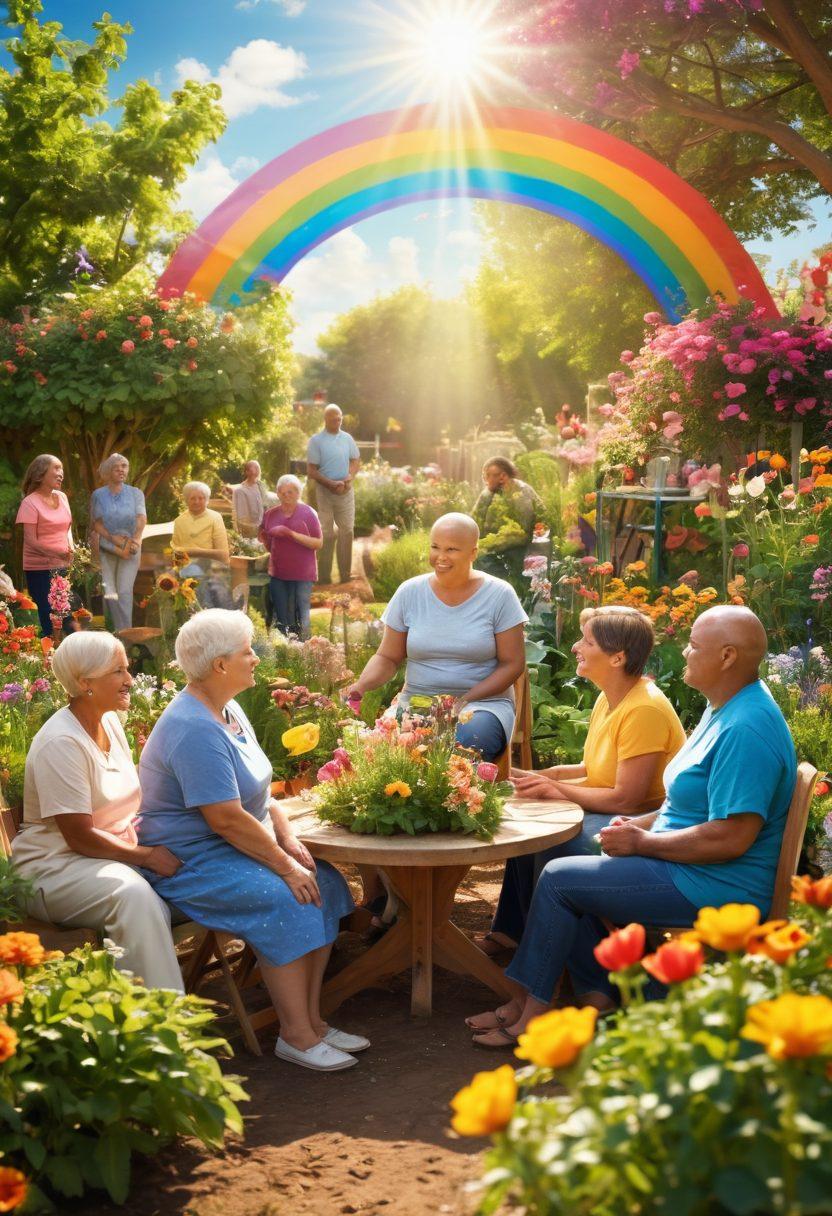
Your healthcare journey doesn’t end at the clinic. In fact, it’s just the beginning. This is where community support steps in, acting as a complementary force in the healing process. Support groups are more than just gathering spots; they are a sanctuary where shared experiences foster resilience. Here, individuals can voice their fears, celebrate victories, and learn lifestyle changes that contribute positively to wellness. The rapport that builds in these settings lays a foundation for enduring friendships and powerful networks that help navigate symptom management. Ask yourself, how can you be the support that someone else needs, just as you seek guidance?
Moreover, how do we define wellness when facing a cancer diagnosis? Wellness transcends the absence of disease; it encompasses a holistic health approach. It’s about nurturing the mind and spirit along with the body. Therapeutics and preventive care strategies today often involve more than just traditional treatment modalities. Integrating complementary therapies with conventional oncology care can create a stronger, more resilient you. As we advocate for a holistic approach, it raises the question: what does a well-rounded wellness plan look like for you?
As we embrace the journey through cancer together, it’s vital to remember that the fight against tumors and the resilience of our communities is an endeavor where every voice matters. Health education is crucial to spreading awareness about cancer, fostering preventive care, and managing the symptoms that may arise throughout treatment. With every shared story, every gathered piece of knowledge, we fortify the bonds of our community. No one should navigate this journey alone; we are here to lend our strength and empower each other in our survivorship. After all, 'We may have to face the storm, but together, we can build a bridge over it.'
Holistic Health for Survivors: From Early Detection to Empowering Lifestyle Changes
In the journey of cancer survivorship, the emphasis often lands on treatments and hospital visits, but what about the holistic health that extends beyond oncology? As survivors navigate the challenges posed by their diagnosis, integrating holistic health practices into their daily lives can pave the way for stronger well-being. "It’s not just about surviving; it’s about thriving," says Dr. Jane Sy, an advocate for comprehensive cancer care. So, how can lifestyle changes transform the way survivors approach their health post-treatment, and what role does community support play in this journey?
Early detection remains a crucial factor in combating carcinoma. However, the journey does not end once you've faced the tumor—it's merely the beginning. Survivors often grapple with lingering symptoms, requiring effective symptom management and a proactive stance towards their health. A key element of holistic health involves educating patients about their bodies, offering them the tools they need to advocate for themselves within the healthcare system. Why is it that many people struggle to communicate their needs? Perhaps it’s due to a lack of education or fear of not being heard. Empowerment through health education can start with something as simple as attending support groups or engaging in community health awareness programs.
Lifestyle changes after a cancer diagnosis can feel daunting, yet they are essential to long-term survivorship. Integrating wellness practices—not just physical exercise but also mental health therapies—can enhance overall quality of life. Utilizing therapeutics like yoga, mindfulness, and nutrition can serve as vital components of a survivor’s post-treatment plan. Are you taking full advantage of these practices? Each story is different, and what works for one person may resonate with another in unique ways. Cultivating a routine that respects individual needs is an act of self-love and empowerment.
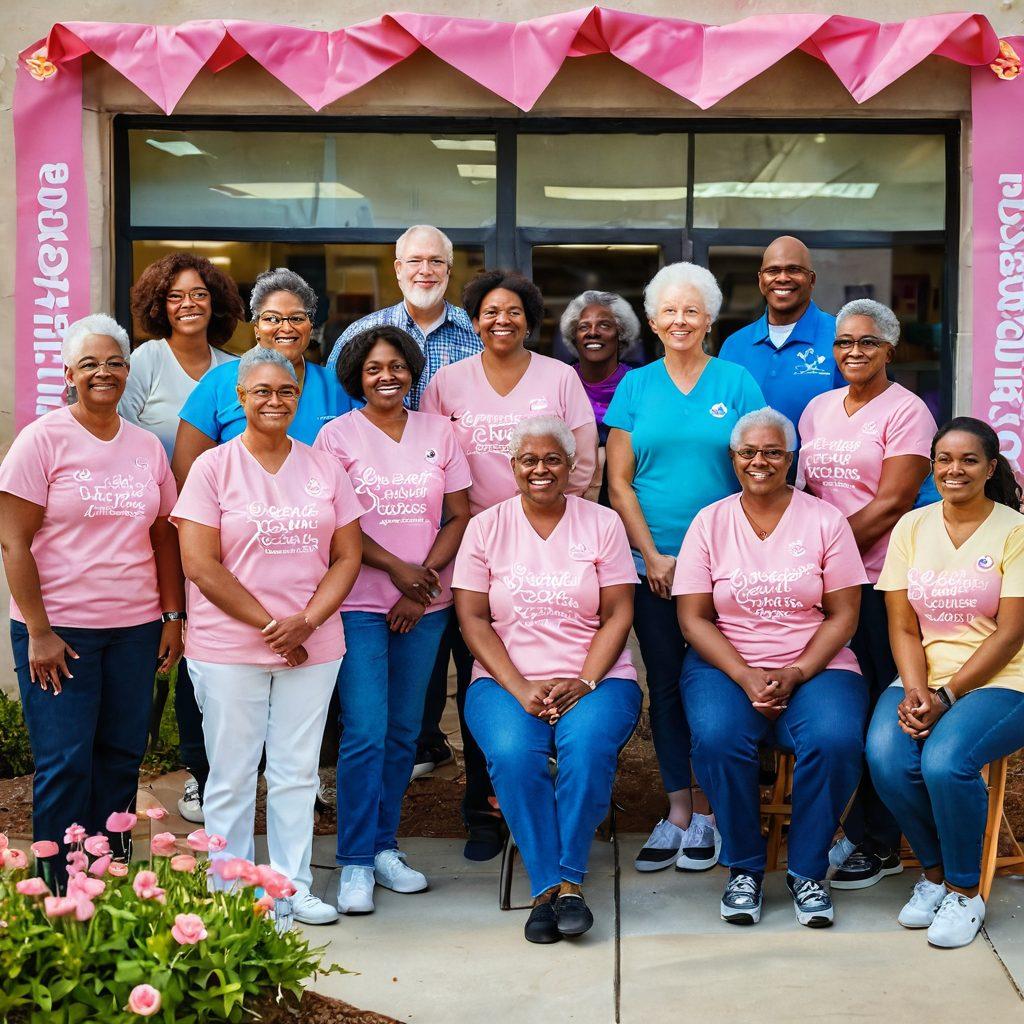
Community support cannot be overstated; it weaves the fabric of survivorship into a tapestry of encouragement and shared experiences. Support groups offer a safe space for individuals to express their fears and triumphs. According to recent medical research, engaging with peer networks can significantly improve mental health outcomes for survivors. But what if you’re not sure where to start? Reach out to local oncology units or cancer advocacy organizations to find resources tailored to your needs. Together, the strength of survivors can galvanize change and support in ways that are profoundly healing.
As survivors step into a new chapter of their lives, embracing the concept of holistic health becomes paramount. Each small action, whether it’s a walk in the park, a chat with a fellow survivor, or a commitment to preventive care like attending clinical trials, contributes to a richer life experience. Survivorship is not merely about outliving cancer; it's about enriching life through intentional, empowered choices. You’re not just a survivor; you're a warrior, a healer, and an advocate for yourself and others in the community. So, what steps will you take today to embrace this complete version of health?
The Role of Cancer Advocacy: Strengthening Patient Care and Community Support Systems
When faced with a cancer diagnosis, the emotional and physical turmoil can feel overwhelming, and the journey is often fraught with challenges. However, one powerful ally emerges in this fight: cancer advocacy. This powerful force not only amplifies the voices of patients but also helps shape the landscape of oncology, driving advancements in treatment, research, and patient care. How do advocates manage to bring about such significant change? They unite communities, educate the masses, and support survivors every step of the way, creating an environment where wellness can flourish after the battle with carcinoma.
Cancer advocacy goes beyond just raising awareness; it involves a deep commitment to improving patient care by ensuring that healthcare systems are accountable. Imagine walking into a clinic for the first time, burdened with anxiety and questions, only to find an advocate ready to guide you through every complex step. Support groups and health education initiatives empower individuals by informing them about their options, from symptom management and therapeutic choices to clinical trials that may offer new hope. The more informed patients are, the better they can actively participate in their care, paving the way for survivorship filled with understanding and empowerment.
"In the face of adversity, we find our true strength," is a sentiment echoed frequently in cancer communities. Each story of enduring cancer is not just about the fight against tumors—it's also about how advocacy transforms these narratives into a collective movement. When patients, survivors, caregivers, and advocates come together, they create robust community support systems that advocate for better preventive care and early detection strategies. This collaboration often leads to significant lifestyle changes and better quality of life for many, ultimately enhancing the welfare of entire communities.
Moreover, as medical research continues to evolve, cancer advocacy plays a crucial role in directing focus towards holistic health approaches. By championing wellness, advocates polish the comprehensive care model where physical health intertwines with mental and emotional wellbeing. Whether it’s through meditation classes, nutrition workshops, or exercise programs, these initiatives encourage cancer survivors to reclaim their health and live vibrantly post-treatment. Have you considered how lifestyle changes could improve your health awareness and boost your overall wellness after survivorship?
In the end, the role of cancer advocacy is all about creating ripples of support across the community. Strong advocacy leads to health systems that prioritize patient care while fostering a culture steeped in awareness and compassion for those battling cancer. Let's not forget that every effort made in advocacy contributes to a greater understanding of cancer, strengthens community support, and ultimately serves to empower those affected by this devastating disease. Together, we can build a future where survivorship isn’t just a phase but a vibrant, thriving chapter of life.